Delving into The Role of Health Information Technology in Hospitals, we uncover the pivotal role technology plays in healthcare settings. From enhancing patient care to optimizing hospital operations, the impact of health information technology is profound and far-reaching.
Exploring the various types of technologies used, the challenges faced, and future trends, this topic sheds light on the dynamic landscape of healthcare in the digital age.
Importance of Health Information Technology in Hospitals
Health Information Technology (HIT) plays a crucial role in modern hospital settings by revolutionizing the way healthcare data is managed and utilized. By implementing advanced technology systems, hospitals can enhance patient care, streamline processes, and ultimately improve outcomes.
Benefits of Using Technology to Manage Healthcare Data
- Efficient Data Management: HIT allows hospitals to store, organize, and access patient information electronically, leading to faster and more accurate decision-making.
- Improved Communication: Technology facilitates seamless communication among healthcare providers, enabling better coordination of care and reducing errors.
- Enhanced Patient Safety: Electronic health records and clinical decision support systems help identify potential risks and ensure patient safety by providing timely alerts and reminders.
How Technology Improves Patient Care and Outcomes in Hospitals
- Personalized Treatment Plans: HIT enables healthcare providers to access comprehensive patient data, leading to the development of personalized treatment plans tailored to individual needs.
- Remote Monitoring: Technology allows for remote monitoring of patients' vital signs and conditions, enabling early intervention and proactive management of health issues.
- Data Analytics: Hospitals can use data analytics tools to extract valuable insights from large datasets, helping in identifying trends, improving processes, and predicting outcomes.
Types of Health Information Technology Used in Hospitals
Health information technology plays a crucial role in improving patient care and streamlining processes within hospitals. Let's explore the various types of health information technology commonly used in hospital settings.
Electronic Health Records (EHR) vs. Electronic Medical Records (EMR)
Electronic Health Records (EHR) and Electronic Medical Records (EMR) are both digital versions of a patient's medical history, but they have some key differences. EHRs are designed to be shared across different healthcare settings, providing a comprehensive view of a patient's health information.
On the other hand, EMRs are more focused on the clinical aspects of a patient's medical history within a single healthcare organization. EHRs allow for better coordination of care among healthcare providers, while EMRs are limited to the organization using them.
Telemedicine and Remote Monitoring Systems
Telemedicine involves the use of technology to provide healthcare services remotely, allowing patients to consult with healthcare providers without being physically present. This is especially useful for patients in rural areas or those with limited mobility. Remote monitoring systems, on the other hand, allow healthcare providers to track patients' vital signs and health data from a distance, enabling early detection of any health issues and timely interventions.
These technologies play a crucial role in improving access to care and monitoring patients with chronic conditions.
Challenges Faced in Implementing Health Information Technology
Implementing health information technology in hospitals can be a complex process, often accompanied by various challenges that healthcare facilities need to address. One of the key challenges faced is the resistance to change among healthcare professionals who may be accustomed to traditional paper-based systems.
This resistance can hinder the adoption and full utilization of new technologies, impacting the efficiency and effectiveness of healthcare delivery.
Importance of Cybersecurity in Protecting Patient Data
In the digital age, cybersecurity plays a crucial role in protecting sensitive patient data within healthcare systems. With the increasing sophistication of cyber threats, hospitals need to invest in robust cybersecurity measures to safeguard patient information from unauthorized access, breaches, and cyber attacks.
Ensuring the confidentiality, integrity, and availability of patient data is essential to maintaining trust and compliance with privacy regulations.
Training Requirements for Healthcare Professionals
Effective utilization of health information technology requires healthcare professionals to undergo comprehensive training to enhance their digital literacy and proficiency. Training programs should focus on educating staff on how to use electronic health records, telemedicine platforms, and other technologies effectively to improve patient care outcomes.
Continuous training and upskilling are essential to keep pace with technological advancements and ensure the seamless integration of health information technology into daily practice.
Impact of Health Information Technology on Hospital Operations
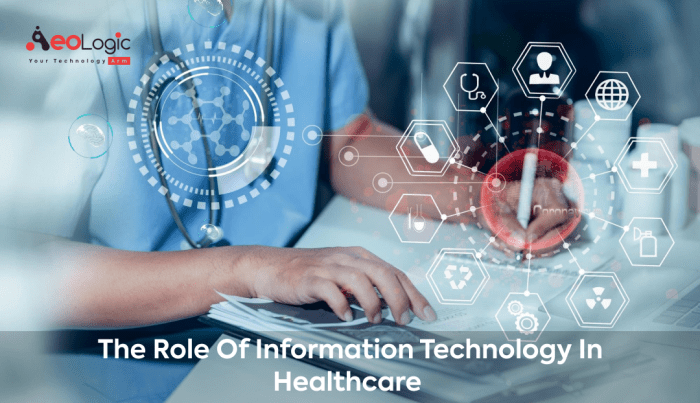
Health information technology plays a crucial role in streamlining administrative processes, enhancing communication among healthcare teams, and improving decision-making in hospital management.
Streamlining Administrative Processes
Health information technology automates various administrative tasks in hospitals, such as appointment scheduling, billing, and inventory management. This automation reduces human errors, improves efficiency, and allows staff to focus on providing better patient care.
Enhancing Communication Among Healthcare Teams
Technology enables healthcare professionals to easily access patient records, test results, and treatment plans, leading to improved coordination of care. For example, electronic health records (EHRs) allow real-time sharing of information among different departments, ensuring that all team members are on the same page regarding patient care.
Data Analytics and Artificial Intelligence in Decision-Making
Data analytics tools help hospital management extract valuable insights from large sets of patient data. By analyzing trends and patterns, decision-makers can make informed choices to optimize resource allocation, improve patient outcomes, and enhance overall operational efficiency. Artificial intelligence further enhances decision-making by predicting patient outcomes, identifying high-risk individuals, and recommending personalized treatment plans.
Future Trends in Health Information Technology for Hospitals
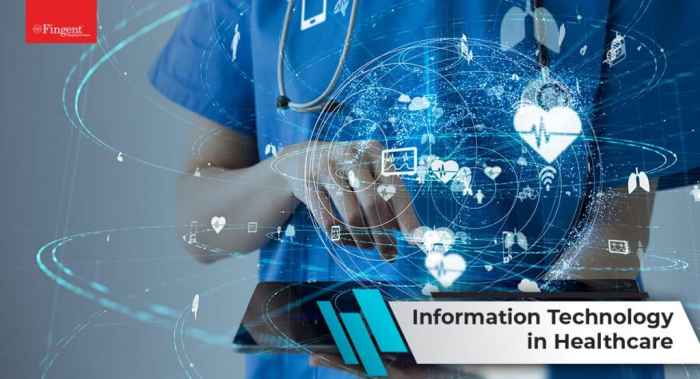
The future of health information technology in hospitals is poised for significant advancements that will revolutionize healthcare delivery. From wearable devices to telehealth services, these innovations are set to transform the way hospitals operate and provide care to patients.
Wearable Devices and IoT in Healthcare
The integration of wearable devices and Internet of Things (IoT) technology in healthcare is expected to play a crucial role in monitoring patients remotely and collecting real-time data. Wearable devices such as smartwatches and fitness trackers can track vital signs, activity levels, and even detect early warning signs of health issues.
This data can be seamlessly integrated into electronic health records (EHRs) to provide healthcare providers with a comprehensive view of a patient's health status.
Telehealth Services and Virtual Healthcare Platforms
Telehealth services and virtual healthcare platforms are increasingly becoming popular, especially in light of the COVID-19 pandemic. These platforms allow patients to consult with healthcare providers remotely, reducing the need for in-person visits and minimizing the risk of exposure to infectious diseases.
In the future, telehealth services are expected to become more sophisticated, offering features such as virtual consultations, remote monitoring, and even virtual reality-based therapies.
Closing Summary
In conclusion, The Role of Health Information Technology in Hospitals showcases the transformative power of technology in revolutionizing healthcare delivery. As we embrace future advancements and innovations, the integration of technology will continue to shape the future of hospitals worldwide.
Popular Questions
What are the benefits of implementing health information technology in hospitals?
Implementing health information technology in hospitals leads to improved patient care, streamlined processes, better data management, and enhanced communication among healthcare teams.
What is the difference between electronic health records (EHR) and electronic medical records (EMR)?
Electronic health records (EHR) contain a broader range of information about a patient's health, while electronic medical records (EMR) focus on the medical and treatment history of a patient within one healthcare organization.
How does health information technology impact decision-making in hospital management?
Health information technology, including data analytics and artificial intelligence, provides valuable insights that aid in making informed decisions related to hospital operations, resource allocation, and patient care.


![20 Best Online Computer Information Systems Degrees [2025 CIS Degree Guide]](https://technology.fin.co.id/wp-content/uploads/2025/10/colleges-best_1910-120x86.png)
![Is Computer Information Systems a Good Major? [2025 Guide]](https://technology.fin.co.id/wp-content/uploads/2025/10/computer-information-systems-careers-2-120x86.jpg)