How Altium Auto Route Optimizes Vehicle Electronic Designs sets the stage for this enthralling narrative, offering readers a glimpse into a story that is rich in detail and brimming with originality. From describing the role of Altium Auto Route in optimizing vehicle electronic designs to exploring key features and optimization strategies, this guide delves deep into the world of vehicle electronics.
As we uncover the benefits, challenges, and limitations of using Altium Auto Route in vehicle electronics, readers will gain valuable insights into how this tool revolutionizes the design process.
Overview of Altium Auto Route in Vehicle Electronic Designs
Altium Auto Route plays a crucial role in optimizing vehicle electronic designs by automating the routing process, ensuring efficient and reliable connections between components. This advanced tool streamlines the routing process for complex vehicle electronic systems, saving time and reducing the likelihood of errors.
Streamlined Routing Process
- Altium Auto Route simplifies the routing process by automatically creating connections between components based on predefined design rules and constraints.
- It efficiently navigates through complex PCB layouts, finding the most optimal paths for signal transmission while avoiding obstacles and minimizing signal interference.
Benefits of Altium Auto Route for Vehicle Electronic Designs
- Increased Efficiency: By automating the routing process, Altium Auto Route significantly reduces the time and effort required to complete complex designs.
- Improved Signal Integrity: The tool ensures that signal paths are optimized for performance, reducing the risk of signal distortions or interference.
- Enhanced Reliability: Altium Auto Route helps create reliable connections between components, minimizing the chances of electrical failures or malfunctions in vehicle electronic systems.
Key Features of Altium Auto Route for Vehicle Electronics
Altium Auto Route offers a range of key features specifically designed to cater to the complex requirements of vehicle electronic designs. From handling high-speed signals to automating routing optimization, Altium Auto Route is a powerful tool in the automotive industry.
High-Speed Signal Handling in Automotive Applications
In automotive applications, high-speed signals are crucial for ensuring the proper functioning of various electronic components. Altium Auto Route excels in managing these signals efficiently, minimizing interference and signal loss. The software is equipped with advanced algorithms that consider signal integrity, impedance matching, and noise reduction to guarantee optimal performance in vehicle electronics.
Automation Capabilities for Routing Optimization
One of the standout features of Altium Auto Route is its automation capabilities when it comes to optimizing routing for vehicle electronics. The software can intelligently analyze the design requirements and constraints, automatically generating routing solutions that meet specified criteria.
This automation not only saves time but also ensures consistency and reliability in the routing process, ultimately leading to enhanced overall performance of the electronic system.
Optimization Strategies Employed by Altium Auto Route
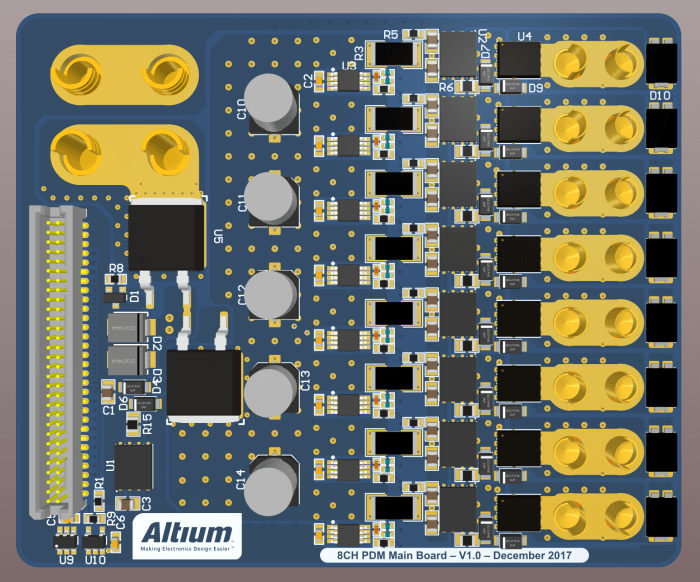
Altium Auto Route employs several optimization strategies to enhance routing for vehicle electronic designs. By focusing on performance, cost, and reliability, Altium Auto Route ensures that the routing process is efficient and effective.
Balancing Performance, Cost, and Reliability
Altium Auto Route strikes a delicate balance between performance, cost, and reliability in vehicle electronics. It prioritizes the optimization of signal integrity, ensuring that signals travel efficiently without interference. This results in improved performance of the electronic systems within the vehicle.Moreover, Altium Auto Route considers cost implications during the routing process.
By optimizing the routing layout, it minimizes the overall material usage and manufacturing costs associated with producing the electronic components. This cost-effective approach benefits manufacturers and ultimately consumers.In terms of reliability, Altium Auto Route focuses on creating robust and fault-tolerant routing paths.
By optimizing the layout to reduce signal noise and crosstalk, the system becomes more reliable and less prone to malfunctions. This emphasis on reliability enhances the overall quality and longevity of the vehicle electronic systems.
Examples of Effective Routing Optimization
- Altium Auto Route optimizes routing paths for power distribution within a vehicle, ensuring efficient power delivery to various components while minimizing power losses.
- By prioritizing signal integrity, Altium Auto Route optimizes high-speed data transmission routes, reducing signal reflections and ensuring data accuracy in communication systems.
- Altium Auto Route effectively optimizes routing for complex sensor networks in vehicles, enhancing data collection and processing capabilities for advanced driver-assistance systems.
Challenges and Limitations of Altium Auto Route in Vehicle Electronics
When utilizing Altium Auto Route for vehicle electronic designs, designers may encounter various challenges and limitations that can affect the overall efficiency of the routing process. It is important to be aware of these obstacles and have strategies in place to overcome them effectively.
Common Challenges Faced with Altium Auto Route in Vehicle Electronics
- Complex Routing Scenarios: Vehicle electronic designs often involve intricate routing scenarios due to the dense layout and high component count. Altium Auto Route may struggle to navigate through these complex pathways, leading to suboptimal routing solutions.
- Signal Integrity Concerns: Maintaining signal integrity is crucial in vehicle electronics to prevent interference and ensure reliable communication between components. Altium Auto Route may not always prioritize signal integrity, resulting in signal quality issues.
- Routing Flexibility: Designers may face limitations in terms of routing flexibility when using Altium Auto Route. The tool may not always allow for manual intervention or customization, which can be challenging when trying to meet specific design requirements.
Limitations of Altium Auto Route in Vehicle Electronics
- Routing Accuracy: Altium Auto Route may not always produce the most accurate routing solutions, especially in intricate layouts with high component density. Designers may need to review and modify the routes generated by the tool to ensure optimal performance.
- Routing Optimization: While Altium Auto Route offers optimization features, designers may find that the tool's algorithms do not always prioritize the most efficient routing paths. This can lead to longer signal paths or unnecessary detours, impacting overall performance.
- Compatibility Issues: Altium Auto Route may have compatibility issues with certain design elements or constraints specific to vehicle electronics. Designers may need to find workarounds or manual routing solutions to address these compatibility challenges.
Strategies to Overcome Challenges and Limitations
- Manual Routing Intervention: Designers can manually intervene in the routing process to address complex scenarios or signal integrity concerns that Altium Auto Route may not handle effectively. By combining automated routing with manual adjustments, designers can achieve better results.
- Simulation and Testing: Conducting thorough simulations and testing of the routed connections can help identify potential signal integrity issues early on. Designers can then make informed decisions to optimize the routing layout and ensure optimal performance.
- Collaboration and Knowledge Sharing: Engaging with the Altium community or seeking advice from experienced designers can provide valuable insights and best practices for overcoming specific challenges or limitations when using Altium Auto Route for vehicle electronics.
Wrap-Up
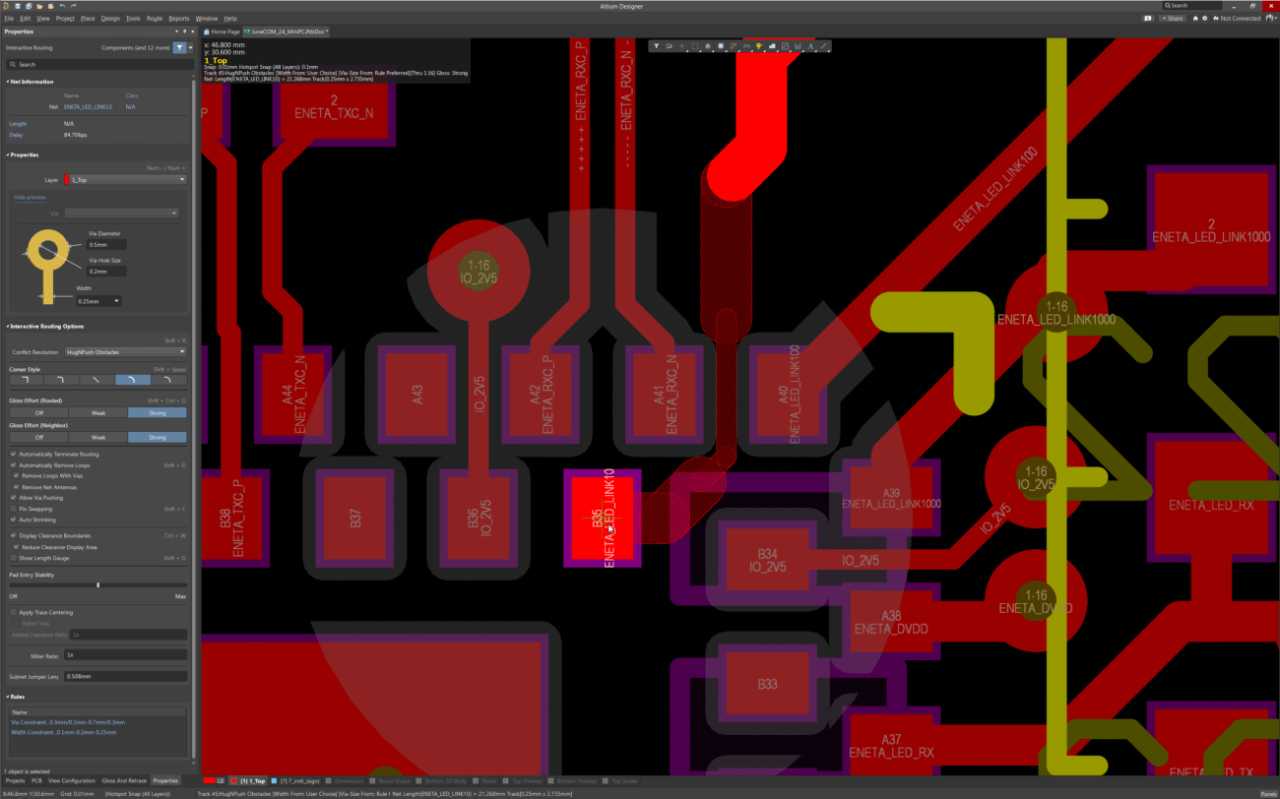
In conclusion, How Altium Auto Route Optimizes Vehicle Electronic Designs encapsulates the essence of enhancing electronic systems in vehicles. With a focus on performance, cost, and reliability, Altium Auto Route proves to be a game-changer in the realm of vehicle electronic design.
Embrace the power of optimization with Altium Auto Route for your next project.
Key Questions Answered
How does Altium Auto Route handle high-speed signals in automotive applications?
Altium Auto Route employs advanced algorithms to efficiently route high-speed signals in automotive applications, ensuring signal integrity and minimizing interference.
What are some common challenges faced when using Altium Auto Route for vehicle electronic designs?
Some common challenges include dealing with complex routing scenarios, optimizing for performance without compromising reliability, and managing signal integrity in high-speed designs.
Are there any limitations or constraints designers may encounter with Altium Auto Route in the context of vehicle electronics?
Designers may face limitations in handling extremely dense designs, intricate signal paths, and achieving optimal routing outcomes in highly constrained spaces within vehicles.

![20 Best Online Computer Information Systems Degrees [2025 CIS Degree Guide]](https://technology.fin.co.id/wp-content/uploads/2025/10/colleges-best_1910-120x86.png)

![Is Computer Information Systems a Good Major? [2025 Guide]](https://technology.fin.co.id/wp-content/uploads/2025/10/computer-information-systems-careers-2-120x86.jpg)