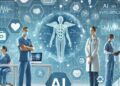
Exploring the advancements in healthcare, this piece delves into how Health Information Technology enhances patient care, offering a unique perspective on the transformative power of technology in the medical field.
As we navigate through the intricacies of digital healthcare solutions, we uncover the myriad ways in which technology is revolutionizing patient care and shaping the future of healthcare delivery.
Importance of Health Information Technology
Health Information Technology (HIT) plays a crucial role in modern healthcare by enhancing the quality of patient care, streamlining processes, and improving overall outcomes. One of the key components of HIT is the electronic health record (EHR) system, which digitalizes patient information and makes it accessible to healthcare providers in a secure and efficient manner.
Examples of How Electronic Health Records Improve Patient Care
Electronic health records offer several benefits that directly impact patient care. Some examples include:
- Improved coordination of care: EHRs allow different healthcare providers to access a patient's medical history, test results, and treatment plans, leading to better coordination and continuity of care.
- Reduced medical errors: By providing accurate and up-to-date information, EHRs help to minimize errors related to medication, diagnosis, and treatment, ultimately enhancing patient safety.
- Enhanced patient engagement: Patients can access their health records online, communicate with their providers, and actively participate in their care decisions, resulting in better health outcomes.
Significance of Interoperability in Health IT Systems
Interoperability, the ability of different systems to exchange and use data seamlessly, is fundamental in health IT systems for several reasons:
- Continuity of care: Interoperable systems enable the sharing of patient information across different healthcare settings, ensuring that providers have a comprehensive view of the patient's health status.
- Efficient communication: Healthcare teams can collaborate more effectively when systems can communicate with each other, leading to quicker decision-making and improved patient outcomes.
- Reduced costs: Interoperability reduces duplication of tests, unnecessary procedures, and administrative burdens, resulting in cost savings for both patients and healthcare organizations.
Benefits of Health Information Technology for Patient Care
Health Information Technology (Health IT) systems play a crucial role in improving patient care by enhancing communication between healthcare providers, improving access to care for patients through telemedicine platforms, and assisting healthcare professionals in making informed decisions through decision support systems.
Enhanced Communication Between Healthcare Providers
Health IT systems facilitate seamless communication between healthcare providers by allowing them to share patient information, test results, and treatment plans in real-time. This enables a more coordinated and collaborative approach to patient care, leading to better outcomes and reduced medical errors.
Improved Access to Care Through Telemedicine Platforms
Telemedicine platforms leverage Health IT to connect patients with healthcare providers remotely, eliminating barriers such as geographic distance and mobility issues. Patients can receive timely care and consultations without the need for in-person visits, increasing access to healthcare services, especially for those in rural or underserved areas.
Assisting Healthcare Professionals in Making Informed Decisions
Decision support systems integrated into Health IT platforms provide healthcare professionals with evidence-based guidelines, best practices, and clinical decision support tools to assist them in making informed decisions about patient care. These systems help reduce diagnostic errors, improve treatment outcomes, and enhance patient safety by providing clinicians with relevant information and alerts during the decision-making process.
Impact of Health Information Technology on Patient Outcomes
Health Information Technology (Health IT) plays a crucial role in improving patient outcomes by reducing medical errors, enhancing patient safety, and providing better care coordination.
Reduction of Medical Errors and Improved Patient Safety
Health IT systems, such as electronic health records (EHRs) and computerized physician order entry (CPOE), help healthcare providers access accurate and up-to-date patient information quickly. This accessibility reduces the likelihood of errors in medication administration, diagnoses, and treatment plans, ultimately improving patient safety.
Benefits of Remote Monitoring Technologies for Patients with Chronic Conditions
Remote monitoring technologies, like wearable devices and telemedicine platforms, allow healthcare providers to monitor patients with chronic conditions from a distance. This continuous monitoring enables early detection of health issues, timely interventions, and personalized care plans, leading to improved management of chronic diseases and better health outcomes for patients.
Comparison between Paper-based Systems and Electronic Health Records
Electronic health records offer numerous advantages over traditional paper-based systems in terms of patient outcomes. EHRs ensure easy access to comprehensive patient information, reduce duplication of tests, and enable better care coordination among healthcare providers. This streamlined approach results in improved patient outcomes, reduced healthcare costs, and increased patient satisfaction compared to paper-based systems.
Challenges and Solutions in Implementing Health Information Technology
Implementing Health Information Technology (Health IT) in healthcare organizations can present various challenges that need to be addressed for successful adoption. These challenges can range from resistance to change to concerns about cybersecurity and data privacy.
Common Challenges in Adopting Health IT
- Lack of Training: Healthcare staff may not be adequately trained to use new Health IT systems, leading to inefficiencies and errors.
- Resistance to Change: Some healthcare professionals may be resistant to adopting new technology due to fear of job loss or changes in workflow.
- Financial Constraints: Implementing Health IT systems can be costly, especially for smaller healthcare organizations with limited budgets.
- Interoperability Issues: Ensuring that different Health IT systems can communicate and share data seamlessly can be a major challenge.
Strategies to Overcome Resistance to Adopting New Health IT Systems
- Provide Comprehensive Training: Offering thorough training and support to healthcare staff can help them feel more comfortable and confident using new Health IT systems.
- Engage Stakeholders: Involving key stakeholders in the decision-making process and addressing their concerns can help build buy-in for Health IT adoption.
- Highlight Benefits: Communicating the benefits of Health IT, such as improved patient outcomes and efficiency, can help motivate healthcare professionals to embrace the change.
- Offer Support: Providing ongoing support and troubleshooting assistance can help smooth the transition to new Health IT systems.
The Importance of Cybersecurity Measures in Protecting Patient Information
Implementing robust cybersecurity measures is crucial to safeguarding patient information within Health IT systems. Cyberattacks and data breaches can have serious consequences, compromising patient privacy and trust in healthcare organizations. It is essential to:
- Implement Encryption: Encrypting data can help protect patient information from unauthorized access.
- Regularly Update Systems: Keeping Health IT systems up-to-date with the latest security patches can help prevent vulnerabilities that cybercriminals could exploit.
- Train Staff on Security Protocols: Educating healthcare staff on best practices for cybersecurity can help prevent accidental data breaches.
- Conduct Regular Audits: Performing regular security audits can help identify and address potential weaknesses in Health IT systems.
Summary
In conclusion, the integration of Health Information Technology into patient care settings marks a pivotal moment in the evolution of healthcare. By embracing these technological innovations, healthcare professionals can provide more efficient, effective, and personalized care to patients, ultimately improving health outcomes and enhancing overall quality of life.
Popular Questions
How does Health Information Technology improve patient communication?
Health IT systems facilitate secure and efficient communication between healthcare providers, ensuring timely and coordinated care for patients.
What are some strategies to overcome resistance to adopting new health IT systems?
Engaging stakeholders early, providing adequate training, and demonstrating the benefits of new systems can help overcome resistance to adopting Health Information Technology.
Why is cybersecurity important in protecting patient information within health IT systems?
Cybersecurity measures are crucial to safeguard patient data from potential breaches and ensure the confidentiality and integrity of health information stored within IT systems.


![20 Best Online Computer Information Systems Degrees [2025 CIS Degree Guide]](https://technology.fin.co.id/wp-content/uploads/2025/10/colleges-best_1910-120x86.png)
![Is Computer Information Systems a Good Major? [2025 Guide]](https://technology.fin.co.id/wp-content/uploads/2025/10/computer-information-systems-careers-2-120x86.jpg)