Delving into the realm of Health Information Technology in Healthcare unveils a landscape where advancements and challenges coexist harmoniously. This article navigates through the intricacies of how technology impacts patient care, communication, and the overall healthcare landscape.
As we explore the different facets of health information technology, we aim to shed light on its benefits and drawbacks, providing a holistic view of its implications in the healthcare sector.
Pros of Health Information Technology in Healthcare
Health information technology plays a vital role in improving patient care by facilitating better communication between healthcare providers, enhancing the accuracy and accessibility of patient information, and offering benefits such as telemedicine and remote monitoring tools.
Improved Patient Care
- Health information technology allows for efficient coordination of care among healthcare providers, leading to better outcomes for patients.
- Electronic health records (EHRs) provide a comprehensive view of a patient's medical history, medications, and treatment plans, enabling healthcare providers to make well-informed decisions.
- Health IT systems help in identifying potential drug interactions, allergies, and other important information that can improve patient safety.
Enhanced Communication Between Healthcare Providers
- Electronic communication tools within health IT systems enable healthcare providers to collaborate more effectively in real-time, leading to quicker decision-making and better patient outcomes.
- Health information exchange platforms allow for secure sharing of patient data among different healthcare facilities, ensuring continuity of care.
- Telemedicine and video conferencing tools enable remote consultations, reducing the need for in-person visits and improving access to care, especially in rural or underserved areas.
Benefits of Electronic Health Records
- Electronic health records improve the accuracy and accessibility of patient information by reducing errors associated with paper-based records and ensuring that data is always up-to-date.
- EHRs facilitate easy retrieval of patient information, enabling healthcare providers to make quicker and more informed decisions about patient care.
- Patients can access their own health records online, empowering them to take a more active role in managing their health and making informed decisions about their care.
Telemedicine and Remote Monitoring Tools
- Telemedicine allows patients to consult with healthcare providers remotely, increasing access to care and reducing healthcare costs.
- Remote monitoring tools enable healthcare providers to track patients' vital signs and health data in real-time, leading to early detection of health issues and better management of chronic conditions.
- Telemedicine and remote monitoring tools have been particularly beneficial during the COVID-19 pandemic, ensuring continuity of care while minimizing the risk of exposure to the virus.
Cons of Health Information Technology in Healthcare
While health information technology offers numerous benefits, there are also several challenges and drawbacks associated with its implementation in healthcare settings.
Data Security and Privacy Concerns
One of the main cons of health information technology is the risk of data breaches and privacy violations. With the increasing amount of sensitive patient information stored electronically, healthcare organizations face the constant threat of cyberattacks and unauthorized access to data.
Interoperability Issues
Another challenge is the lack of interoperability between different health information systems. This can lead to difficulties in sharing patient data between healthcare providers, which can hinder coordination of care and result in fragmented or incomplete medical records.
Financial Burdens for Healthcare Organizations
The initial implementation of health information technology can pose significant financial burdens for healthcare organizations. The costs associated with purchasing and installing new systems, training staff, and ensuring compliance with regulations can strain budgets, especially for smaller facilities with limited resources.
Impact on Patient Care
There have been instances where technology failures or glitches in health information systems have negatively impacted patient care. For example, system downtimes can lead to delays in accessing critical patient information, errors in medication administration, or disruptions in communication between healthcare providers, ultimately affecting the quality and safety of care delivery.
Impact of Health Information Technology on Healthcare Workflow
Health Information Technology (HIT) has revolutionized the way healthcare providers manage their workflow, leading to improved efficiency and patient care outcomes.
Streamlining Administrative Tasks
- Electronic health records (EHRs) allow for easy access to patient information, reducing the time spent on paperwork and administrative tasks.
- Appointment scheduling, billing, and insurance claims processing are streamlined through HIT systems, saving time and resources.
- Automated reminders and notifications help healthcare providers stay organized and on top of their tasks, improving overall workflow efficiency.
Reducing Medical Errors and Improving Patient Outcomes
- HIT systems enable healthcare providers to access real-time patient data, reducing the risk of errors in diagnosis and treatment.
- Decision support tools embedded in EHRs help healthcare professionals make informed decisions, leading to better patient outcomes.
- Electronic prescribing systems reduce medication errors and improve medication adherence among patients.
Better Coordination of Care
- Interoperable EHR systems allow different healthcare providers to access and share patient information, promoting better coordination of care.
- Care teams can collaborate more effectively, leading to smoother transitions between different providers and settings.
- Patients receive more holistic and coordinated care when their healthcare providers have access to their complete medical history and treatment plans.
Optimizing Scheduling and Resource Allocation
- HIT systems help healthcare facilities optimize their scheduling by reducing wait times and ensuring efficient use of resources.
- Real-time data analytics allow for better resource allocation, ensuring that facilities have the right staff and equipment available when needed.
- Telehealth platforms enable remote consultations and monitoring, reducing the need for in-person visits and optimizing resource utilization.
Future Trends in Health Information Technology
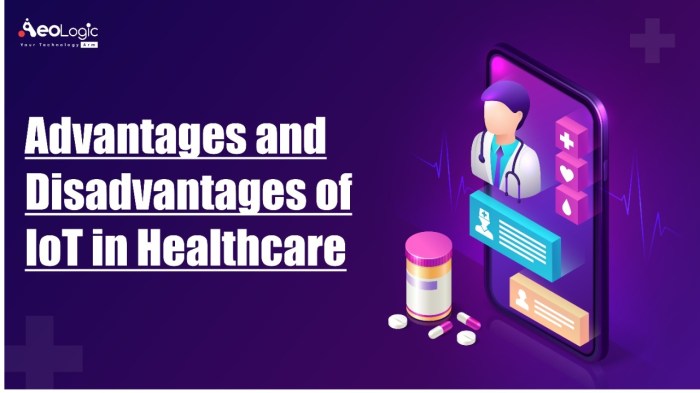
The future of health information technology is rapidly evolving, with emerging technologies revolutionizing the way healthcare systems operate and deliver patient care. Let's explore some key trends shaping the future of health information technology:
AI and Machine Learning in Healthcare Information Systems
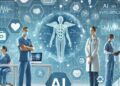
Artificial Intelligence (AI) and machine learning are playing a significant role in transforming healthcare information systems. These technologies can analyze vast amounts of data to provide insights for personalized treatment plans, predictive analytics, and improved decision-making for healthcare providers.
Health Information Technology in Personalized Medicine
The potential of health information technology in personalized medicine is immense. By leveraging data analytics and genetic information, healthcare providers can tailor treatment plans to individual patients, leading to more effective outcomes and better patient satisfaction.
Role of Wearable Devices and Health Apps
Wearable devices and health apps are becoming increasingly popular in promoting patient engagement and wellness. These technologies allow individuals to track their health metrics, monitor chronic conditions, and stay connected with healthcare providers for timely interventions and support.
Integration of Blockchain Technology in Health Information Systems
Blockchain technology holds great promise for enhancing security and data integrity in health information systems. By creating a secure and decentralized platform for storing and sharing patient data, blockchain can prevent unauthorized access, reduce data breaches, and ensure the privacy of sensitive health information.
Ultimate Conclusion
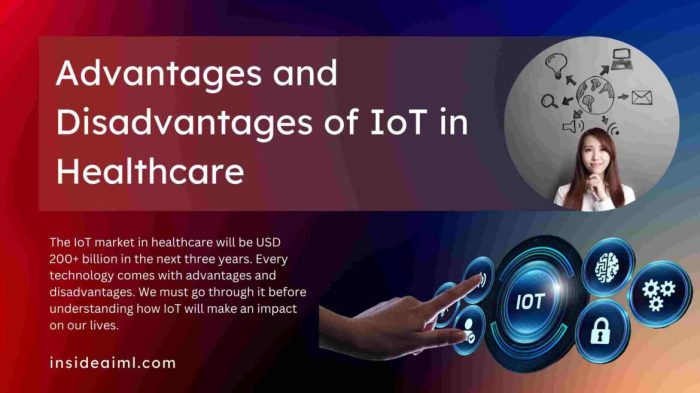
In conclusion, the realm of Health Information Technology in Healthcare is a dynamic arena where innovation and caution must walk hand in hand. By understanding the nuanced interplay of pros and cons, stakeholders can forge a path towards a technologically empowered yet patient-centric future.
FAQ Resource
How does health information technology improve patient care?
Health information technology enhances patient care by improving access to medical records, facilitating communication between healthcare providers, and streamlining administrative processes.
What are the potential challenges related to interoperability in health information technology?
Interoperability challenges in health information technology include the difficulty of different systems communicating with each other seamlessly and the risk of data fragmentation.
How can health information technology impact healthcare workflow?
Health information technology can streamline administrative tasks, reduce medical errors, improve coordination of care, and optimize scheduling and resource allocation in healthcare settings.
What are some future trends in health information technology?
Future trends in health information technology include the integration of AI and machine learning, personalized medicine, wearable devices promoting patient engagement, and the use of blockchain technology for enhanced security.


![20 Best Online Computer Information Systems Degrees [2025 CIS Degree Guide]](https://technology.fin.co.id/wp-content/uploads/2025/10/colleges-best_1910-120x86.png)
![Is Computer Information Systems a Good Major? [2025 Guide]](https://technology.fin.co.id/wp-content/uploads/2025/10/computer-information-systems-careers-2-120x86.jpg)