As we delve into the realm of Health Information Technology and its significance, a world of innovation and improved healthcare practices unfolds. This introduction sets the stage for a captivating exploration into the realm of digital healthcare solutions and their impact on patient well-being.
The subsequent paragraphs will shed light on the concept, importance, components, challenges, and future trends of Health Information Technology in the healthcare sector.
What Is Health Information Technology?
Health Information Technology (Health IT) refers to the use of technology to manage and exchange health information in a digital format. It encompasses a wide range of hardware and software solutions designed to improve the quality, efficiency, and security of healthcare delivery.
Examples of Health Information Technology Tools and Systems
- Electronic Health Records (EHRs): Digital versions of patients' paper charts that contain their medical history, diagnoses, medications, treatment plans, immunization dates, allergies, radiology images, and laboratory test results.
- Health Information Exchange (HIE): Allows healthcare professionals to access and share patient information electronically across different healthcare organizations, improving coordination of care.
- Telemedicine: Enables remote consultations and monitoring of patients using telecommunications technology, reducing the need for in-person visits and increasing access to healthcare services.
- Health Information Management Systems (HIMS): Provide tools for organizing, analyzing, and managing health information, ensuring data accuracy, accessibility, and security.
How Health Information Technology is Used in Healthcare Settings
- Streamlining Administrative Tasks: Health IT systems automate processes such as appointment scheduling, billing, and insurance claims processing, reducing paperwork and increasing efficiency.
- Improving Patient Care: EHRs and clinical decision support systems help healthcare providers make informed decisions, identify trends, and personalize treatment plans for better patient outcomes.
- Enhancing Communication: HIE platforms facilitate communication between healthcare providers, enabling real-time access to patient information and promoting collaboration in care delivery.
- Ensuring Data Security: Health IT systems incorporate measures to protect patient data from unauthorized access, ensuring compliance with privacy regulations such as HIPAA.
Importance of Health Information Technology
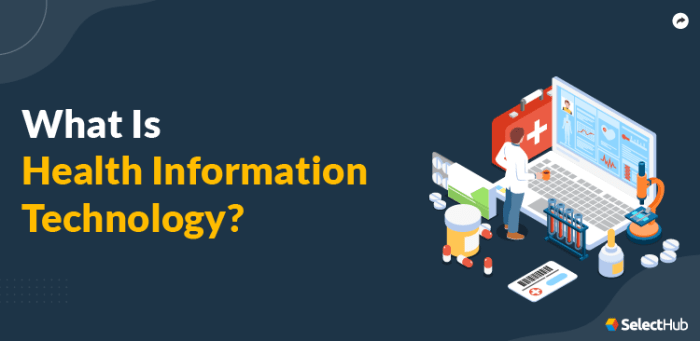
Health Information Technology (HIT) plays a vital role in modern healthcare by revolutionizing the way patient data is collected, stored, and shared among healthcare providers. The importance of HIT lies in its ability to improve patient care, enhance clinical outcomes, and streamline healthcare processes.
Benefits of Health Information Technology
- Efficiency: HIT allows healthcare providers to access patient records quickly, leading to faster diagnosis and treatment.
- Accuracy: Electronic health records reduce the risk of errors commonly seen in paper-based systems, ensuring accurate and up-to-date information.
- Coordination of Care: HIT enables seamless communication between healthcare professionals, promoting better coordination of patient care across different specialties and settings.
- Cost-effectiveness: By reducing paperwork and administrative tasks, HIT helps in cutting down on operational costs for healthcare organizations.
Improvement in Patient Care and Outcomes
Health Information Technology has a direct impact on patient care and outcomes by:
- Enhancing Decision-Making: Healthcare providers can make more informed decisions based on comprehensive patient data available through HIT systems.
- Preventing Medical Errors: Electronic health records help in reducing medication errors, duplicate tests, and other mistakes that can harm patients.
- Empowering Patients: Patients can access their health information online, enabling them to actively participate in their care and make informed decisions about their health.
Components of Health Information Technology
Health Information Technology (HIT) consists of various components that work together to improve healthcare delivery and patient outcomes. One key component of HIT is Electronic Health Records (EHR), which play a crucial role in the digitization and organization of patient information.
Electronic Health Records (EHR)
Electronic Health Records (EHR) are digital versions of patients' paper charts. EHRs contain a patient's medical history, diagnoses, medications, treatment plans, immunization dates, allergies, radiology images, and laboratory test results. By having this information stored electronically, healthcare providers can easily access and share patient data, leading to more coordinated and efficient care.
- Streamlined Workflow: EHRs streamline the documentation process, allowing healthcare providers to enter, update, and access patient information quickly and accurately.
- Improved Patient Safety: EHRs reduce the risk of errors due to illegible handwriting or misplaced paper records. They also provide clinical decision support tools to help healthcare providers make informed decisions.
- Enhanced Communication: EHRs facilitate communication among healthcare providers, allowing for seamless collaboration and coordination of care.
Interoperability and Data Exchange
Interoperability refers to the ability of different systems and devices to exchange and interpret data. In the context of health information technology, interoperability allows EHR systems from different healthcare providers to communicate with each other. Data exchange enables the seamless sharing of patient information between healthcare organizations, improving care coordination and patient outcomes.
Interoperability and data exchange play a critical role in enhancing the effectiveness of health information technology by ensuring that patient information is readily available to healthcare providers when and where it is needed.
Challenges and Future Trends in Health Information Technology

As health information technology continues to advance, there are several challenges that need to be addressed in order to fully realize its potential. At the same time, emerging trends are shaping the future of healthcare delivery and patient outcomes.
Challenges in Implementing Health Information Technology
Implementing health information technology faces several challenges, including:
- Lack of interoperability between different systems, leading to difficulties in sharing and accessing patient information.
- Data security and privacy concerns, especially with the increasing amount of sensitive health data being stored electronically.
- Resistance to change from healthcare providers and staff who may be accustomed to traditional paper-based systems.
- Financial barriers for smaller healthcare facilities to invest in and maintain advanced technology solutions.
Emerging Trends in Health Information Technology
Several emerging trends are shaping the future of health information technology, including:
- Increased use of telehealth services to provide remote consultations and monitoring for patients, especially in rural or underserved areas.
- Advancements in wearable health technology, allowing for continuous monitoring of patient vitals and health metrics.
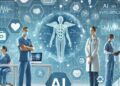
- Integration of artificial intelligence and machine learning algorithms to analyze large datasets and improve clinical decision-making.
Artificial Intelligence and Machine Learning in Health Information Technology
Artificial intelligence and machine learning are revolutionizing health information technology by:
- Automating repetitive tasks, such as data entry and administrative processes, to free up healthcare professionals for more patient-focused activities.
- Enhancing diagnostic accuracy by analyzing medical images, lab results, and patient records to identify patterns and potential health risks.
- Personalizing patient care through predictive analytics that can anticipate disease progression and recommend tailored treatment plans.
Final Summary
In conclusion, the discussion on Health Information Technology and its pivotal role in modern healthcare highlights the transformative power of technology in enhancing patient care and outcomes. Embracing these advancements is key to shaping the future of healthcare delivery.
FAQ Corner
How does Health Information Technology benefit healthcare providers?
Health Information Technology streamlines processes, improves accuracy of medical records, and enhances communication among healthcare teams, leading to better patient care.
What are some examples of Health Information Technology tools?
Examples include Electronic Health Records (EHR), telemedicine platforms, health information exchange systems, and patient portals.
What role does interoperability play in Health Information Technology?
Interoperability enables different healthcare systems and applications to exchange data seamlessly, ensuring efficient and coordinated care delivery.
How is artificial intelligence shaping the future of Health Information Technology?
Artificial intelligence is revolutionizing healthcare by enabling predictive analytics, personalized treatment plans, and automation of administrative tasks in Health Information Technology.


![20 Best Online Computer Information Systems Degrees [2025 CIS Degree Guide]](https://technology.fin.co.id/wp-content/uploads/2025/10/colleges-best_1910-120x86.png)
![Is Computer Information Systems a Good Major? [2025 Guide]](https://technology.fin.co.id/wp-content/uploads/2025/10/computer-information-systems-careers-2-120x86.jpg)